Are You Looking For a Physiotherapist In Tewantin or Noosa Area - Queensland?
Personalised, Professional, Physio Care
...because we really care about you!
Tewantin Physiotherapy & Sports Injury Centre is a modern physiotherapy clinic with a dedicated functional exercise and Pilates studio.
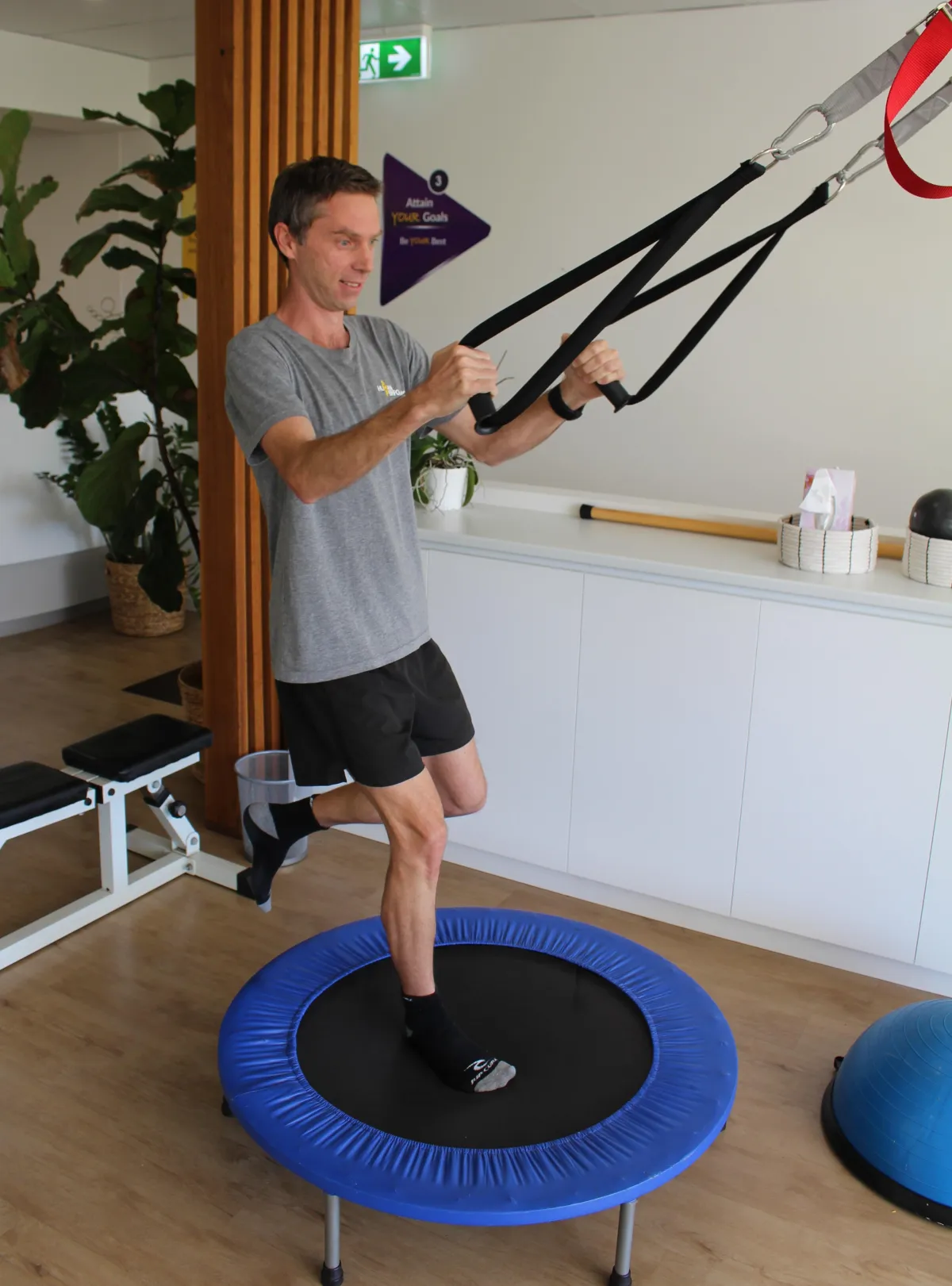
Our focus is to enable you to lead a better healthier lifestyle where you can be your best and do the things you want to do and love doing.
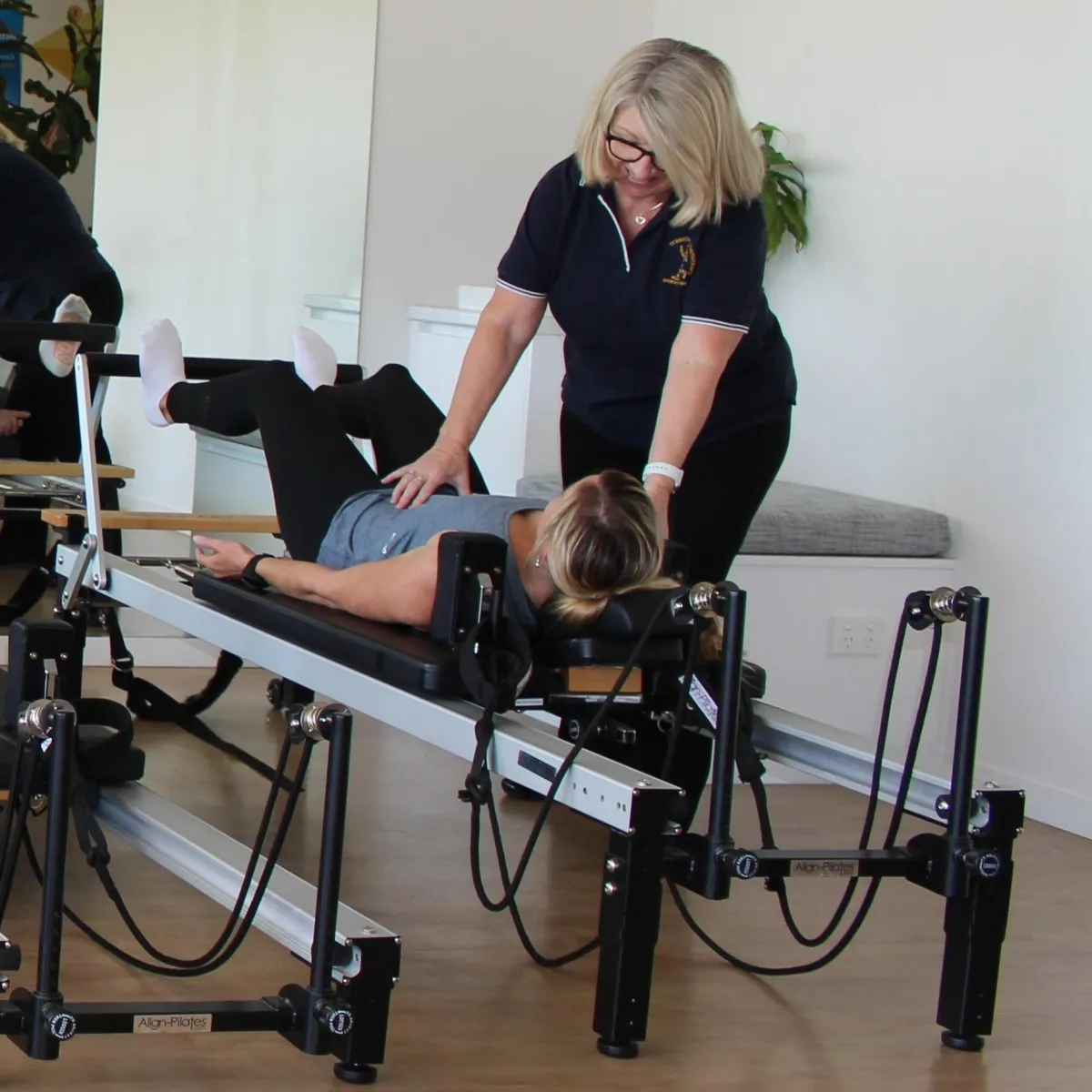
For over 40 years Tewantin Physiotherapy and Sports Injury Centre has consistently provided a high standard of Physiotherapy care to Tewantin residents as well as the broader community.
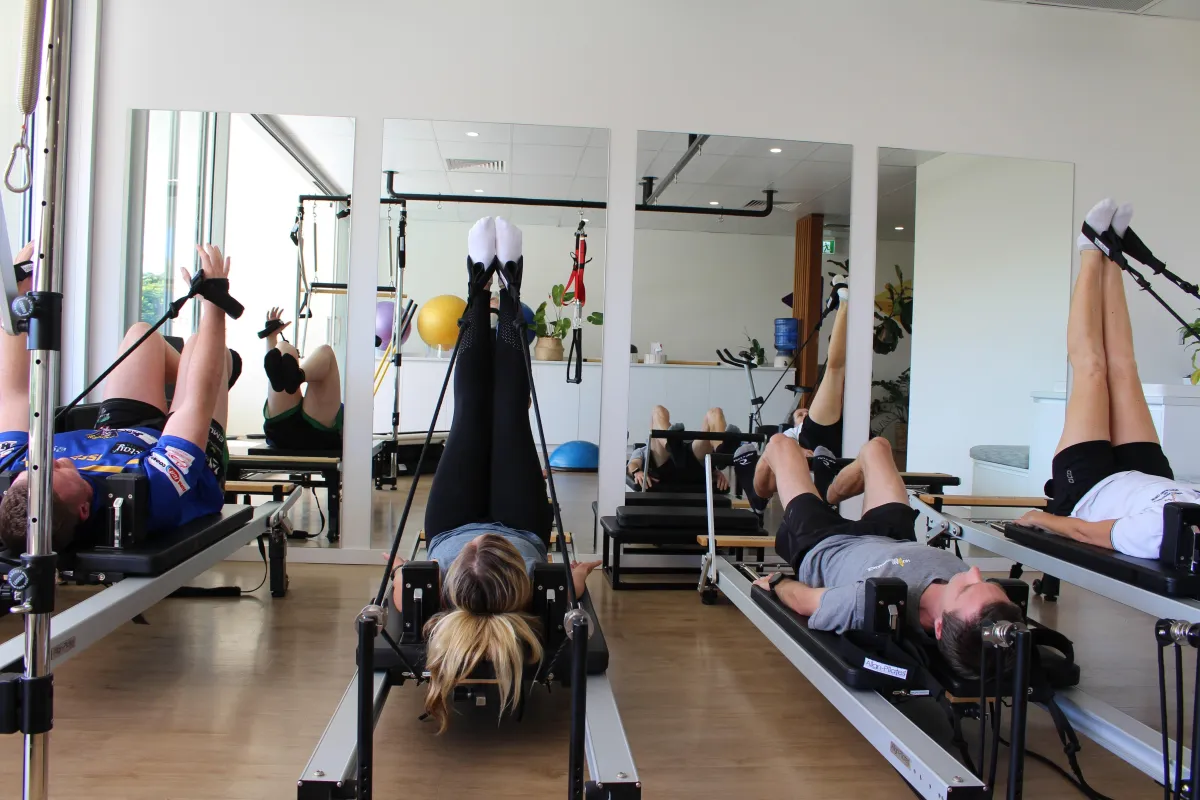
What Sets Us Apart?
Tewantin Physiotherapy & Sports Injury Centre .... helping you attain your goals and be your best.
Address your pain
Effective physio to help you manage pain and improve movement
Achieve better movement
Restore and correct your movement through
Attain your goals
Reach your health and lifestyle and goals
How Can We Help?
At Tewantin Physiotherapy and Sports Injury Centre we treat a wide range of conditions from everyday aches to complex injuries. Whether you're dealing with a recent injury or something that’s been nagging you for a while, our experienced physiotherapists can help you understand the cause and work towards lasting relief.
We commonly help clients with:
Back pain – from stiffness and postural strain to disc injuries and sciatica
Neck pain & headaches – including tension, whiplash and desk-related strain
Shoulder pain – such as rotator cuff issues, bursitis and frozen shoulder
Knee pain – from ligament injuries and arthritis to patellofemoral pain
Hip & pelvic pain – affecting movement, stability or sleep
Ankle & foot problems – including sprains, Achilles issues and plantar fasciitis
Post-surgical recovery – regain strength and mobility after orthopaedic surgery
Sports injuries – from sprains and strains to overuse injuries
Balance and dizziness issues – including BPPV and vestibular dysfunction
Confused about your pain and not sure what to do?
Get clear, professional advice in our free downloadable information packs
Back Pain
Understand why back pain happens and how to help it
Shoulder Pain
Understand why shoulder pain happens and how to help it
Knee Pain
Understand why knee pain happens and how to help it
Contact us today to speak with our friendly team and find out how we can help you feel your best
Latest Tips and Advice
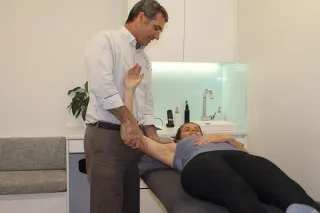
Physiotherapy in Tewantin: Focusing on Recovery and Relief for Locals and Visitors
Physiotherapy to help you manage pain and improve movement ...more
Physiotherapy
August 03, 2025•2 min read
We’re proud to be connected with trusted professional affiliations and community partners


Tewantin Physiotherapy & Sports Injury Centre is powered by Vitala Health, a group of Allied Health Practices across New Zealand and Australia.
Vitala Health provides clinical solutions that supports clients health and lifestyle needs through best practice treatment, premium facilities, education and ongoing commitment to customer service. Learn more about Vitala Health
If you have any questions before scheduling an appointment or for general enquiries, please contact us. Our team will promptly reach out to assist you.
Opening Hours
Mon: 8:00am - 5:00pm
Tue: 8:00am - 5:00pm
Wed: 8:00am - 5:00pm
Thu: 8:00am - 5:00pm
Fri: 8:00am - 1:00pm
Sat: Closed
Sun: Closed

Follow Us
The Clinic
Common conditions
Tewantin Physiotherapy and Sports Injury Centre
© Copyright 2026 Vitala Health. All Rights Reserved.
Facebook